How Smart Hearing Aids Automatically Adjust to Your Environment
You shouldn’t have to be an audio engineer just to have a

By: admin | December 21, 2025
Hearing loss usually doesn’t announce itself. It develops slowly, and your brain is remarkably good at adapting to small changes without you realizing what’s happening.
You might start turning up the TV a little louder or asking people to repeat themselves more often, but these shifts feel minor enough to brush off. The problem is that by the time hearing loss becomes obvious, it’s already been affecting your life for a while.
Catching hearing issues early, before they start interfering with your conversations or daily routine, gives you more options for managing them and can prevent the frustration and isolation that come when communication becomes harder.
Taking care of your hearing now is one of those simple preventive steps that pays off in ways you might not even notice because it keeps things working the way they should.
Hearing loss can develop for a variety of reasons, and understanding the common causes can help you protect your ears and recognize potential risks early.
One of the most frequent contributors is aging. As people get older, the tiny hair cells in the inner ear that detect sound gradually wear down, making it harder to hear high-pitched sounds or follow conversations in noisy environments.
This gradual change is often called age-related hearing loss and tends to occur slowly over many years.
Exposure to loud sounds is another major factor. Repeated or prolonged exposure to loud music, power tools, construction equipment or noisy workplaces can damage the delicate hair cells in the inner ear.
Once these cells are damaged, they cannot grow back, which can lead to permanent hearing changes. Even short bursts of very loud noise, like explosions or gunfire, can cause immediate damage.
Using hearing protection in these situations is one of the most effective ways to reduce your risk.
Genetics also play a role in hearing loss. Some people inherit a higher susceptibility, meaning they may notice changes earlier or experience a faster decline.
Certain medical conditions, such as diabetes, cardiovascular disease or repeated ear infections, can also increase the risk of hearing loss over time. Additionally, some medications, including specific antibiotics, chemotherapy drugs and high doses of common pain relievers, can affect hearing as a side effect.
Early hearing loss often develops gradually, so it can be easy to overlook in day-to-day life. You might notice small changes that seem minor at first but can affect your ability to communicate and enjoy everyday activities. Paying attention to these signs allows you to address issues early, before they have a bigger impact.
Some common indicators that you may be experiencing early hearing loss include:
Early detection of hearing problems is important because it allows you to address changes before they begin affecting daily life. When hearing loss is identified early, you can take steps to prevent further decline and maintain better communication at home, work and in social situations.
Catching hearing issues sooner also gives you more options for managing them effectively. Whether it’s adjusting lifestyle habits, using hearing aids or exploring other hearing support, early intervention helps you protect your hearing and maintain your confidence in conversations. Regular hearing check-ups give you a clear picture of your hearing health and help ensure small changes don’t turn into bigger challenges.
Your daily habits play a significant role in your hearing health. Exposure to loud noises at work, during hobbies or at events can increase the risk of hearing loss. Using ear protection in noisy environments and keeping music or TV volumes at safe levels are simple ways to care for your ears.
Healthy choices, like avoiding smoking and managing conditions like diabetes, also support better hearing. Making these decisions now can help reduce the risk of hearing problems later in life.
Untreated hearing loss can make communication confusing or frustrating. You may miss important details, ask others to repeat themselves often or feel left out during group discussions.
These challenges can lead to misunderstandings and may cause you to withdraw from social situations. Recognizing these difficulties early helps you stay connected and maintain strong relationships.
Missing everyday sounds, like laughter or someone calling your name, can affect your social life and mood. This can lead to frustration or embarrassment during group conversations.
Over time, you might avoid social events or feel less confident when talking with others. These changes can impact how connected you feel to friends and family.
Identifying hearing loss early makes it easier to keep relationships strong. Noticing changes allows you to find solutions that keep conversations clear and enjoyable.
Open communication about hearing changes and exploring options like hearing devices or communication strategies can help everyone feel included and reduce stress during conversations. Good communication is key to maintaining important connections.
Clear hearing keeps your brain active by helping it process sounds, speech and information from the world around you. When hearing loss is not addressed, your brain has to work harder to fill in missing pieces during conversations.
This extra effort can make thinking and remembering things more difficult over time. Taking care of your hearing also supports a healthy mind.
A routine hearing screening is a quick and effective way to check how well you hear sounds at different volumes and pitches. Even if you haven’t noticed changes, small shifts in your hearing can be detected during this type of evaluation.
The screening helps your audiologist identify potential issues early, allowing you to take action before hearing loss affects daily activities, conversations or overall quality of life.
During the screening, you’ll first be asked a few questions about your hearing history and general health. These questions help your audiologist understand factors that could affect your hearing, like noise exposure, medications or family history.
Next, you’ll wear headphones while listening to a series of beeps or tones at varying pitches and loudness levels. You’ll indicate each time you hear a sound, which helps measure how sensitive your ears are across the frequency range.
In addition to pure tones, you may be asked to repeat words or sentences to evaluate how clearly you understand speech, especially in the presence of background noise.
This helps assess real-world hearing abilities, since understanding speech in daily situations can be more challenging than detecting isolated sounds.
The entire process is simple, comfortable and usually takes only a short amount of time. After the screening, your results are reviewed with you, showing whether your hearing is within the typical range or if additional testing is recommended.
Even small findings can guide preventive care, lifestyle changes or early intervention with hearing solutions to help maintain your hearing health over time.
After your hearing test, the specialist will go over the results with you in a clear and straightforward way. The audiologist will explain which frequencies or types of sounds are affected and how those changes might impact your day-to-day listening.
This helps you understand why certain situations, like following conversations in busy environments, might be more difficult.
Your specialist will also discuss what the results mean for your overall hearing health and the next steps you can take.
Whether that involves monitoring your hearing, making lifestyle adjustments or considering hearing devices, the goal is to make sure you feel informed and confident about the decisions ahead.
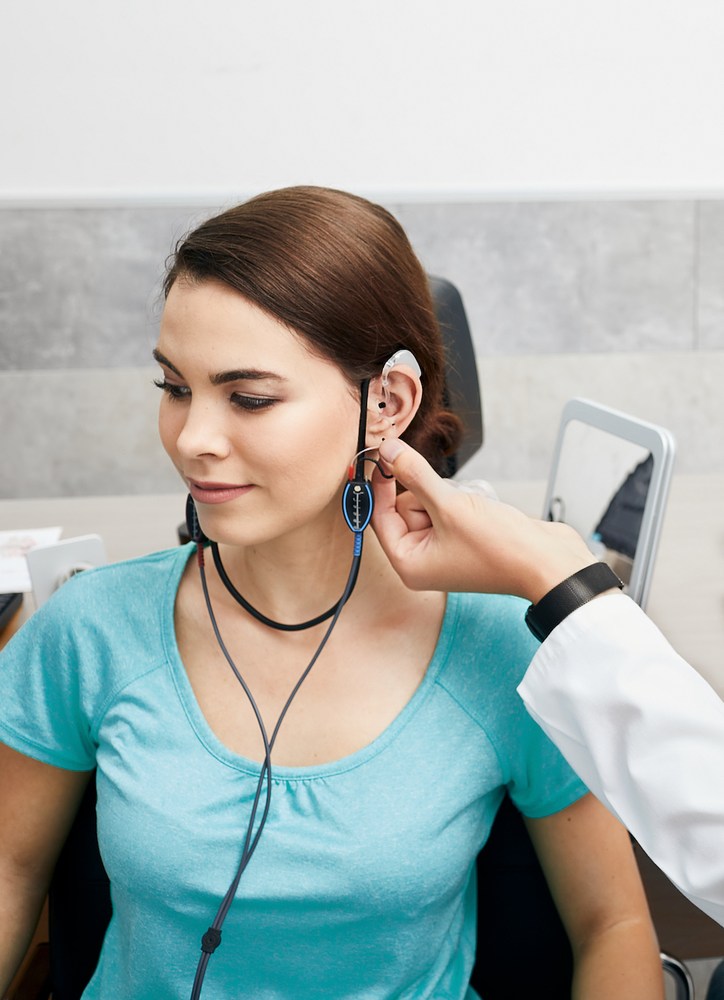
If your hearing test shows signs of hearing loss, your audiologist will discuss your options and guide you through the next steps.
One of the most common approaches is using hearing aids, which can be tailored to your specific hearing needs. The audiologist will consider the type and degree of your hearing loss, as well as your daily routines, to determine which device and settings will work best for you.
Hearing aids today can be customized in multiple ways to suit your lifestyle and listening environments. During the fitting process, your specialist will adjust the devices so you can hear speech clearly, manage background noise and maintain comfort throughout the day.
Regular follow-ups allow the specialist to fine-tune your hearing aids over time, ensuring they continue to meet your changing needs and help you get the most out of every conversation.
There are everyday habits you can adopt to keep your ears healthy and preserve your hearing as you age. Protecting your ears from loud noises is one of the most important steps.
Wearing ear protection at concerts, when using power tools or during other noisy activities can prevent long-term damage. Listening to music through headphones at moderate volumes also reduces the risk of noise-related hearing loss.
Equally important is how you care for your ears on a daily basis. Avoid inserting cotton swabs or sharp objects into your ear canal, as this can push wax deeper, cause irritation or even lead to infection.
Keeping your ears clean only on the outside with a soft cloth is a safer approach. Regularly checking in with an audiologist for hearing evaluations and following their guidance helps you catch any changes early.
These habits give you more control over your hearing health, making it easier to enjoy conversations, environmental sounds and daily activities for years to come.
Small changes in your hearing can quietly affect how you interact with people and the world around you. Even slight difficulty following conversations, missing parts of words or needing extra focus to understand speech are signs worth taking seriously.
Addressing hearing issues early helps you maintain everyday activities without letting the problem grow unnoticed.
If you have noticed shifts in your hearing, Huntington Hearing Solutions in Pasadena or Arcadia, CA can help. Call (626) 361-4301 to schedule an appointment where we can assess your hearing and discuss options, including hearing aids tailored to your individual needs.
Taking action now ensures you can continue participating fully in daily life and stay ahead of potential complications.
Tags: causes of hearing loss, hearing loss testing, pure tone testing
You shouldn’t have to be an audio engineer just to have a
By: admin | February 20, 2026
Hearing loss usually doesn’t announce itself. It develops slowly,
By: admin | December 21, 2025
When you arrive for your hearing test, you can expect a straightforward
By: admin | September 3, 2025