Life in the San Gabriel Valley comes with plenty of time behind the wheel. You might be running errands across town, heading to work or driving along the foothills.

The car is also one of the few places where you might turn up the music without thinking much about it. There are no earbuds to share or neighbors on the other side of the wall.

For a lot of us around here, the daily drive may account for hours of listening each week. Then you park and turn the car off. For a second, the quiet can feel strange after having music around you for the whole drive.

You then restart the car and ask yourself why you had left the radio so loud. Your ears hadn’t suddenly become more sensitive when the car was standing there; they had adjusted while you were driving.

Does that mean the music was loud enough to damage your hearing? That will depend on more than just the position of the volume control. The way sound travels within your car changes when you’re moving, as well as your own habits for listening.

How Sound Moves and Changes Inside a Car

Music has very little room to travel inside a car before it hits something. The speakers are only a few feet away from you, with windows, doors and the dashboard surrounding them.

The sound is reflected by the harder surfaces whereas part of it is absorbed by the seats and the carpet. The sound you hear is a combination of the sound which comes directly from the speakers and the sound that has been reflected around the cabin.

Even the driver’s seat changes what you hear because you’re closer to some speakers than others. Once the car is moving, the listening environment changes again.

Tires against pavement create a low rumble, while wind becomes apparent as your speed increases. The stereo competes with these sounds, and softer parts of the music may get buried underneath them.

You might turn up a song on the highway without thinking much about it, then find the same setting too loud once you’re back on a quiet street.

What Loud Music Does to Your Ears in the Car

Your inner ear is working the entire time music is playing. Inside the cochlea, tiny sensory hair cells respond to sound and turn those vibrations into signals your brain recognizes.

With louder sound, those cells are stimulated more intensely. After enough exposure, they may not respond as well for a while.

That’s why your hearing can seem slightly muffled when you get out of the car, even though nothing outside has changed. You might also hear ringing or buzzing after a particularly loud drive.

These temporary changes in hearing can fade after your ears have had time away from the noise. Repeated exposure at damaging levels is different. Over time, some of those sensory cells can become permanently damaged and they don’t grow back.

How Music Type and Listening Time Affect Hearing

A playlist can jump around quite a bit in volume without you touching the stereo. One song might have low verses with a much louder chorus. Another may stay loud almost the entire way through.

Bass-heavy music can put considerable sound energy into the car too. Genre alone doesn’t determine the risk. The actual sound level coming from the speakers does.

Time needs to be counted across the drive, not song by song. If you keep the stereo loud for 45 minutes, your ears have been exposed for 45 minutes.

That doesn’t disappear because the playlist changed artists or you stopped at a red light. A morning commute and another long drive home also put loud listening into two parts of the same day.

As volume rises, the amount of time your ears can tolerate that level before damage becomes possible gets shorter.

How Car Size and Interior Materials Affect Music Volume

The same stereo setting won’t necessarily sound the same in every vehicle. Cabin size changes how far sound travels, while the materials inside determine how much sound gets absorbed or reflected.

This can include:

    • Smaller cars put you closer to the speakers and give sound less room to spread before reaching another surface.
    • Larger cabins give sound more space to move, but speaker placement and the number of speakers change what reaches each seat.
    • Glass, hard plastic and other firm surfaces reflect more sound into the cabin.
    • Carpet, cloth seats and fabric panels absorb some sound instead of sending as much of it back toward you.
    • Leather and other firmer upholstery reflect sound differently than softer fabrics, which can change how certain frequencies come across.

Risks Linked to Young Drivers and Frequent Commuters Playing Loud Music

Younger ears aren’t immune to noise damage simply because hearing seems fine now. Changes from repeated loud sound can begin well before someone notices trouble following conversations or hearing certain pitches.

Driving for work or school puts music into a part of the day that happens almost automatically. Someone with a long commute might rarely think about the stereo once the trip is underway.

There’s also a safety issue that has nothing to do with hearing damage. Music loud enough to mask a horn, an approaching emergency vehicle or another warning sound can leave a driver with less information about what’s happening outside the car.

Simple Ways to Tell if Your Car Music Is Too Loud for Safety

There isn’t one stereo number that marks the line between a reasonable volume and one that’s too loud. Vehicle audio controls aren’t standardized, so the same number can represent very different sound levels.

Instead, certain things happening during and after the drive give you something concrete to judge:

    • If you need to raise your voice to talk with someone beside you, the music is competing with conversation up close.
    • Horns should be recognizable without another driver being right next to you. Missing them until they’re close means the stereo is masking outside sound.
    • Sirens use frequencies designed to stand out in traffic. Hearing one unusually late can mean music is covering part of that warning signal.
    • Ringing after you leave the car means your ears have been exposed to more sound than they comfortably handle.
    • Muffled hearing after a drive is another sign of temporary changes following noise exposure.
    • Check the volume before you start moving. A setting that already sounds very loud while parked is likely to be pushed further by road noise once you’re driving.

Using Tools or Ear Protection to Lower Harmful Sound in Vehicles

That includes music, but it can also include horns, sirens and sounds from nearby traffic. Filtered earplugs reduce sound differently. They let more outside sound through than a fully blocking plug, though the amount depends on the filter and its rating.

Some of the work can happen inside the vehicle instead. Certain cars use active noise control to produce sound waves that counter steady engine or road noise.

Sound-deadening material added around doors, floors or wheel wells reduces vibration and noise entering the cabin.

You can also check sound levels with a decibel meter or a phone app. An app won’t be as precise as a calibrated meter, but it can show when the numbers climb as you turn up the stereo.

Keeping Your Hearing Safe While Driving with Music

One habit you can try is setting the volume while the car is still parked and quiet, before road noise enters the mix. If the music already sounds loud while you’re sitting still, there’s no need to push it higher once you start driving.

Speed-compensated volume in some vehicles adjusts the stereo automatically as road noise changes. You can still keep your usual playlists, sing along and enjoy the drive without turning the volume higher every time traffic gets noisy.

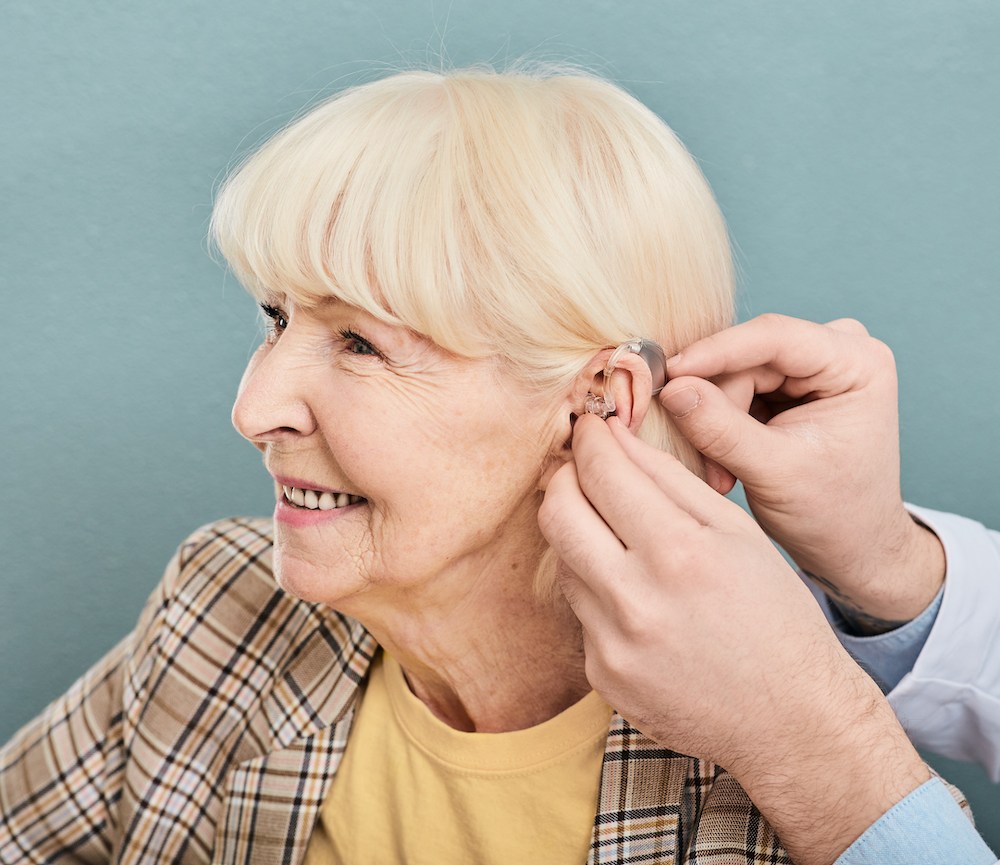
If ringing after long drives has become familiar, you may wonder whether all those years of freeway listening have changed your hearing. A hearing evaluation measures where different frequencies fall and whether certain sounds have become harder to hear.

Huntington Hearing Solutions in Pasadena and Arcadia, CA can walk you through how loud sounds can affect your hearing. You can schedule an appointment with our team by calling us at (626) 361-4301. Your results also establish a baseline that can be compared with future hearing tests.